
Crest Wave Media

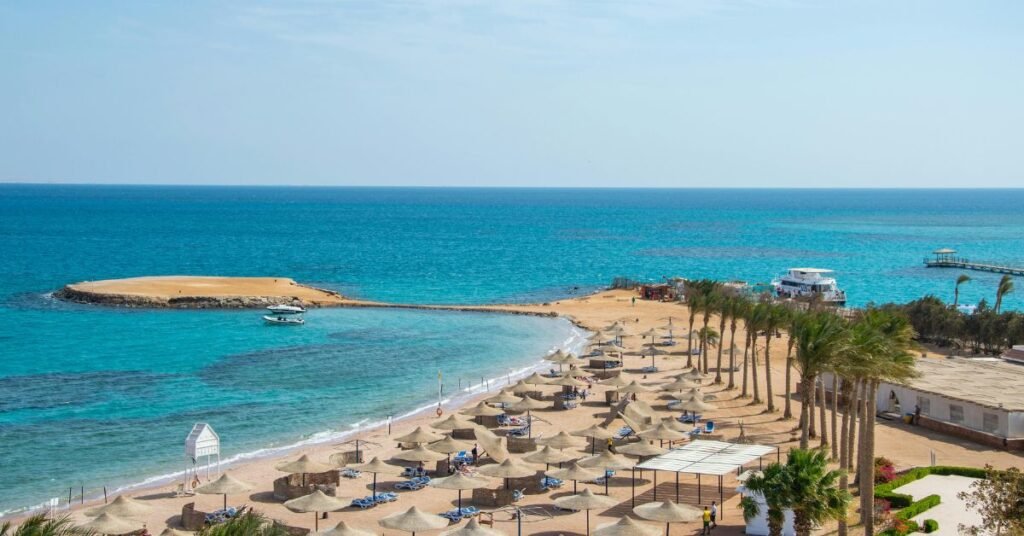
Hurghada real estate has experienced significant growth over the past years, fueled by tourism, foreign investment, and the city’s appeal as a coastal destination. However, this rapid expansion brings unique challenges that affect investors, buyers, and developers across Egypt real estate. Without careful planning, opportunities can quickly become risky ventures.

High demand for vacation homes, resorts, and short-term rental properties puts pressure on Hurghada’s infrastructure and urban planning. Roads, utilities, and public services often lag behind development, creating challenges for sustainable growth. Developers and investors must consider these limitations to ensure long-term viability and resident satisfaction in Hurghada real estate.

Understanding these challenges is essential for anyone seeking success in Egypt real estate. Strategic planning, market research, and careful risk management are critical to navigating regulatory complexities, seasonal demand fluctuations, and infrastructure constraints in Hurghada real estate.


Market Volatility in Hurghada Real Estate

Hurghada real estate frequently experiences cycles of rapid price growth followed by periods of stabilization or price corrections. These fluctuations are influenced by seasonal demand, tourism trends, and broader economic conditions. For investors and developers, understanding these market cycles is essential to making informed decisions and avoiding unexpected losses in Hurghada real estate.

Economic shifts in Egypt real estate, including inflation, currency exchange variations, and changes in interest rates, directly affect property values in Hurghada. Such fluctuations can influence both rental yields and resale potential, requiring careful monitoring of macroeconomic indicators. Investors need to stay updated on these trends to mitigate risk and capitalize on growth opportunities in the Hurghada property market.

Timing and strategic planning are critical for success in Hurghada real estate. Investors who analyze market conditions, anticipate seasonal demand patterns, and adopt long-term strategies are better positioned to maintain profitability even during periods of uncertainty. Proactive risk management ensures sustainable returns despite market volatility.

  1. Property price fluctuations that affect investment timing.

  2. Short-term market uncertainty influenced by tourism and economic factors.

  3. Inflation and currency risks impacting property values.

  4. Seasonal demand variations affecting sales and rental income.

  5. Importance of long-term strategic planning for sustainable growth.

Market volatility is an inherent part of Hurghada real estate, shaped by economic shifts, seasonal trends, and investor behavior. Those who understand these cycles and plan accordingly can protect their investments and achieve stable, long-term growth in this dynamic coastal market.

Oversupply of Properties in Hurghada Real Estate

Hurghada real estate has witnessed a surge in residential and resort developments over the past few years. While this growth meets the increasing interest from local and foreign buyers, it has also led to oversupply in certain prime areas. Oversupply can create challenges for both investors and developers, as an abundance of properties may reduce competition-driven price growth and affect the overall market balance.

High inventory levels in Egypt real estate, particularly in popular resort communities, can slow down property appreciation and put pressure on rental yields. Investors may experience longer vacancy periods, while new buyers might benefit from more options but face uncertainty regarding long-term value. This dynamic requires careful market analysis to ensure profitable investments in Hurghada real estate.

For sustainable development, balancing new construction with actual market demand is essential. Developers and investors must adopt demand-driven strategies, considering tourism trends, population growth, and the purchasing power of buyers. Strategic planning helps maintain healthy pricing, supports rental income, and ensures the long-term stability of Hurghada real estate.

  1. Excess inventory in prime areas can affect market stability.

  2. Rental yield pressure due to oversupply and competition.

  3. Slower appreciation of property values over time.

  4. Increased competition among developers for buyers.

  5. Importance of demand-driven development strategies for sustainable growth.

Oversupply remains a critical challenge in Hurghada real estate, impacting prices, rental yields, and investment returns. Investors and developers who carefully analyze demand trends and plan developments accordingly can navigate these challenges successfully and contribute to a balanced, profitable real estate market in Hurghada.


Affordability Issues in Hurghada Real Estat

Hurghada real estate has seen significant price increases in prime coastal and resort areas, making affordability a growing concern. High demand from both local and international buyers, coupled with limited property supply in desirable locations, has pushed prices upward. This trend can make it difficult for middle-income investors and first-time buyers to enter the market. Financing challenges further exacerbate the issue. Many banks offer limited mortgage options, especially for foreign buyers or investors seeking vacation properties. High down payments and restrictive loan conditions can restrict access to Hurghada real estate, leaving a large segment of potential buyers unable to participate in the market. To ensure sustainable growth, the development of affordable housing and mid-range vacation properties is essential. By diversifying property types and pricing, developers can attract a broader range of buyers, maintain market stability, and support long-term investment opportunities in Hurghada real estate.

Regulatory Challenges in Hurghada Real Estate

Hurghada real estate faces ongoing challenges due to frequent changes in property laws, land-use regulations, and permitting processes. These shifts can create uncertainty for both developers and investors, making it difficult to plan long-term projects or predict market trends accurately. Staying informed about legal updates is crucial for navigating the market safely.

Developers and investors must comply with a complex set of rules to operate legally. From obtaining construction permits to following zoning regulations and ownership laws, adherence to local legislation is essential to avoid penalties and project delays in Hurghada real estate. Non-compliance can result in fines, halted projects, or even legal disputes, impacting profitability and market credibility.

A thorough understanding of local regulations ensures smoother transactions and builds confidence among buyers and investors. By proactively monitoring regulatory changes and working with legal experts, stakeholders in Hurghada real estate can minimize risks, maintain transparency, and sustain investor trust in the market.

  1. Frequent changes in property and land laws.

  2. Licensing, permits, and approvals requirements.

  3. Compliance challenges for developers and investors.

  4. Transparency and clarity issues in regulations.

  5. Direct impact on investor confidence and market stability.

Regulatory complexity remains a significant challenge in Hurghada real estate. Developers and investors who actively track legal changes and maintain strict compliance are better positioned to avoid risks, complete projects efficiently, and build trust in the market, ensuring long-term success in this growing coastal city.

Economic Influence in Hurghada Real Estate

Hurghada real estate is highly influenced by Egypt’s overall economic health, with tourism revenue, currency stability, and investment flows playing a crucial role in shaping demand and pricing. Any changes in national or regional economic conditions can directly impact investment levels and growth opportunities in the Hurghada property market.

Economic fluctuations affect property demand, sale prices, and rental yields. For instance, a drop in tourist numbers during certain seasons can reduce interest in coastal apartments and villas, while inflation or currency instability can increase investment costs and put pressure on profitability.

Investors must closely monitor macroeconomic trends, seasonal changes, and emerging investment opportunities. A deep understanding of these economic factors helps in making informed investment decisions, mitigating risks, and capitalizing on opportunities in Hurghada’s real estate market effectively.

  1. Heavy reliance on tourism revenue.

  2. Impact of currency fluctuations and inflation.

  3. Sensitivity to foreign investment trends.

  4. Seasonal economic variations affecting demand.

  5. Importance of risk mitigation strategies.

Egypt’s economic conditions play a central role in the success of real estate investments in Hurghada. Investors who carefully track economic trends, plan strategically, and account for seasonal and financial changes are better positioned to achieve stable returns and minimize risks in this dynamic market.

Financing Barriers in Hurghada Real Estate

Mortgage and financing options for Hurghada real estate are often limited, particularly for foreign investors. This can make purchasing property more challenging and reduce the pool of potential buyers in the market.

High interest rates and strict lending criteria further impact affordability, making it difficult for both local and international buyers to access Egypt real estate in Hurghada. These financial barriers can slow down sales and limit investment opportunities.

Offering flexible financing solutions, such as installment plans or tailored mortgage packages, can attract more buyers and investors. By improving accessibility, developers and real estate companies can stimulate demand and support sustainable growth in Hurghada real estate.

  1. Strict lending criteria limit access.

  2. High interest rates affect affordability.

  3. Limited mortgage availability for buyers.

  4. Restrictions for foreign investors.

  5. Need for flexible payment and financing solutions.

Financing barriers remain a significant challenge in Hurghada real estate, especially for newcomers and foreign buyers. Developers and investors who provide adaptable payment options and understand local lending dynamics are better positioned to overcome these obstacles and drive growth in this competitive market.

Investor Competition in Hurghada Real Estate

Hurghada real estate consistently attracts strong competition from both local and foreign investors seeking high-value coastal properties. The city’s appeal as a tourism hub and investment destination intensifies demand, particularly for premium vacation homes and resorts.

Prime properties often face significant demand, which raises entry barriers and pushes prices higher in the Hurghada real estate market. Investors must carefully evaluate market trends and property potential to avoid overpaying or facing low returns.

Strategic research and informed decision-making are essential to succeed in this competitive environment. Understanding location trends, property quality, and seasonal demand can give investors a crucial edge in Hurghada real estate.

  1. High competition in prime coastal areas.

  2. Pressure from foreign and institutional investors.

  3. Limited inventory of premium properties.

  4. Risk of rapid price escalation.

  5. Necessity for strategic, research-driven investment planning.

Investor competition remains one of the most significant challenges in Hurghada real estate. Those who conduct thorough research, select properties wisely, and act strategically are more likely to secure profitable investments and navigate the competitive market successfully.

Construction Delays in Hurghada Real Estate

Project delays are a frequent challenge in Hurghada real estate, affecting both off-plan buyers and property developers. Extended timelines can impact investment planning, cash flow, and overall buyer confidence in the market.

Supply chain disruptions, labor shortages, and bureaucratic permit delays often prolong construction schedules in Egypt real estate. These challenges can lead to unexpected costs and require careful monitoring to avoid financial setbacks.

Partnering with reputable and experienced developers is crucial to minimize delays and maintain trust with investors. Reliable project management and transparent communication help ensure timely delivery and reduce risks in Hurghada real estate.

  1. Delivery postponements affecting project timelines.

  2. Risk of cost overruns during construction.

  3. Buyer uncertainty due to delayed handovers.

  4. Contractual and legal complications.

  5. Importance of selecting trusted, experienced developers.

Construction delays remain a significant challenge in Hurghada real estate. Investors who prioritize reputable developers and maintain realistic expectations are better positioned to navigate these delays, protect their investments, and ensure successful property acquisitions.

Service Charges in Hurghada Real Estate

High service charges remain a major concern in Hurghada real estate, as they can reduce net rental returns for investors and affect affordability for tenants. Excessive fees may also discourage long-term occupancy and impact the attractiveness of properties.

Investors and residents often face challenges in predicting and managing these costs within Egypt real estate developments. Unexpected increases or unclear fee structures can complicate budgeting and financial planning.

Transparent and well-managed service fees are essential for building trust and satisfaction among tenants and property owners. Clear communication of what is included in service charges helps maintain positive relationships and ensures smooth property management in Hurghada real estate.

  1. Elevated maintenance and service fees impacting profitability.

  2. Effect on net rental income for investors.

  3. Challenges in budgeting and cost management.

  4. Need for transparency in fee structures.

  5. Importance of negotiation and collaboration with property management.

Service charges are a critical factor in Hurghada real estate that can influence both investment returns and tenant satisfaction. Investors and residents benefit from transparent policies, proactive management, and clear communication to ensure that fees remain reasonable and predictable.

Property Maintenance Costs

Maintenance costs in Hurghada real estate can vary significantly, particularly in high-end residential and resort properties. Properties located in coastal areas or luxury developments often require more frequent upkeep and specialized services, which can increase overall expenses for owners.

Neglecting maintenance not only reduces the property’s market value but also affects tenant satisfaction and retention in Egypt real estate. Poorly maintained properties may face longer vacancy periods, complaints, and a decline in rental income over time.

Proper planning and budgeting for routine and unexpected maintenance ensures long-term sustainability of investments in Hurghada real estate. Regular inspections, preventive care, and allocation of maintenance reserves help protect property value and maximize returns.

  1. Routine maintenance expenses for day-to-day upkeep.

  2. Unexpected repair costs due to wear and tear or emergencies.

  3. Direct impact on property value and marketability.

  4. Importance of tenant satisfaction and retention.

  5. Long-term investment protection through planned maintenance.

Effective management of maintenance costs is essential for any Hurghada real estate investment. By budgeting for both routine and unexpected repairs, property owners can preserve value, ensure tenant satisfaction, and secure consistent long-term returns.

Short-Term Rental Regulations

Short-term rental regulations in Hurghada real estate require investors and property owners to obtain proper licenses and comply with local authority requirements. Ensuring all legal procedures are followed is essential to operate vacation rentals legitimately.

Market Transparency

Transparency remains a significant challenge in Hurghada real estate, often affecting investor trust and overall market confidence. Limited access to accurate information can make it difficult for buyers and investors to evaluate properties effectively.

Reliable data on property prices, transaction histories, and rental yields is essential for making informed investment decisions in Egypt real estate. Without this information, investors may face higher risks and uncertainty when entering the market.

Enhancing transparency in Hurghada real estate strengthens investor confidence, encourages long-term commitments, and attracts more sustainable investments. Clear reporting and accountability from developers and authorities build a healthier and more trustworthy property market.

  1. Access to reliable property data for informed decisions.

  2. Accurate reporting of sales and transaction histories.

  3. Monitoring and tracking developer reputations.

  4. Implementation of regulatory oversight for market fairness.

  5. Building trust and confidence among investors.

Market transparency is crucial for the sustainable growth of Hurghada real estate. By ensuring access to accurate data and enforcing accountability, investors can make well-informed decisions, reduce risk, and contribute to a more stable and confident property market.

Economic Diversification Impact

Hurghada real estate is closely linked to Egypt’s ongoing economic diversification, which spans sectors such as tourism, logistics, and trade. These sectors play a pivotal role in shaping the demand for both residential and commercial properties.

The growth and performance of tourism, logistics hubs, and trade activities directly influence occupancy rates, property values, and investment opportunities in Hurghada real estate. Developers and investors must consider these economic drivers when planning new projects or acquisitions.

Aligning investment strategies with broader economic trends ensures sustainable growth and long-term profitability in Hurghada real estate. Proactive adaptation to sectoral shifts allows investors to capitalize on emerging opportunities while mitigating risks.

  1. Tourism sector as a major driver of property demand.

  2. Growth in logistics and commerce affecting commercial real estate.

  3. Shifts in residential and resort property requirements.

  4. Strategic adjustments in investment planning.

  5. Long-term sustainable development alignment.

Economic diversification in Egypt is shaping the future of Hurghada real estate. Investors who monitor sectoral trends and adapt their strategies accordingly can achieve sustainable growth, maximize returns, and contribute to a balanced and resilient property market.

PHP Code Snippets Powered By : XYZScripts.com
Need Help?